Little Armenia of Beirut: ways to keep the identity and heritage alive
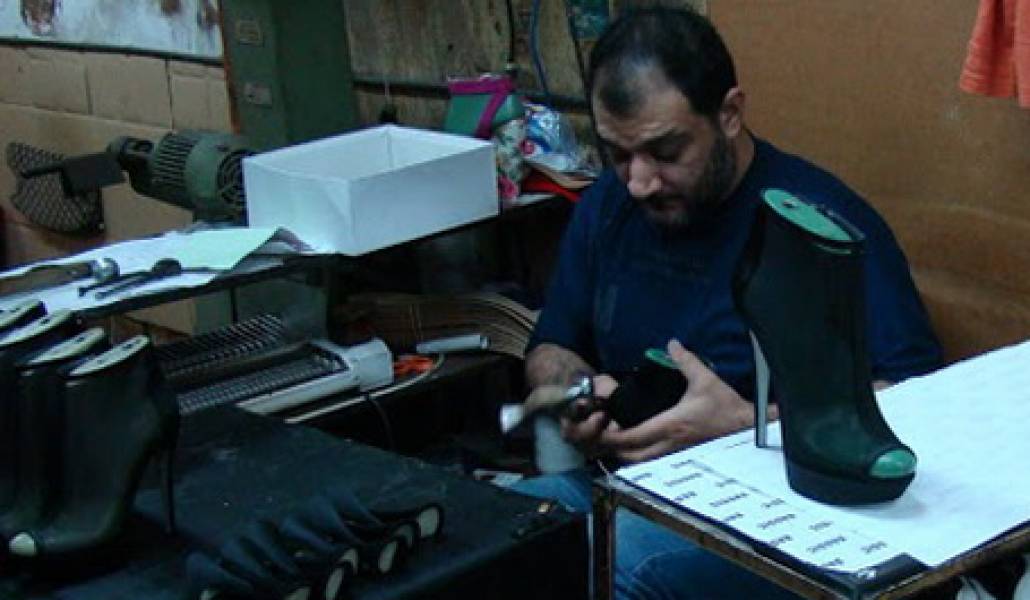
Bourj Hammoud, also known as “Little Armenia,” is a suburb in the Metn district of northern Beirut. The city was created by survivors of the Armenian genocide of 1915, most of whom settled there after the death marches in Deir ez-Zor, Syria. Today, the second generation of Armenians after the genocide are trying to find ways to save their heritage, mainly through the promotion of traditional crafts. In the streets of Bourj Hammoud, you can find plenty of different goods: spices, soaps, candied and dried fruits, wooden molds and many others. And nestled together, jewelry, leather goods and tailors' shops keep open for those interested in handicrafts, with storefronts in Armenian, Arabic and sometimes English. These shops do not look fancy, yet are a very important trace of Armenian cultural heritage, after 100 years of exile in Lebanon. One of the patrons helping to sustain this culture on a daily basis is Arpi Mangassarian, an architect working in the Bourj Hammoud municipality planning office. In 2009, she helped the French-speaking cultural magazine Agenda Culturel contact local craftsmen for a book. “I always had a passion for crafts. My father was an artist and a handyman,” she told Al-Monitor. “This book made me realize that these people need promotion. So I restored a traditional pink villa and in 2011 opened the Badguer Cultural Center to organize visits, tours and exhibitions about traditional Armenian crafts. Our role is to put the spotlight on the artisans by bringing visitors to their stores to discover their work, like actors that we bring on stage. We have mainly goldsmiths, especially for Italy, leather shoes and bags, clothes, fabrics for fashion designers, turners and smelters' shops.” More here