Economist compares Armenia's economy with an old-fashioned car
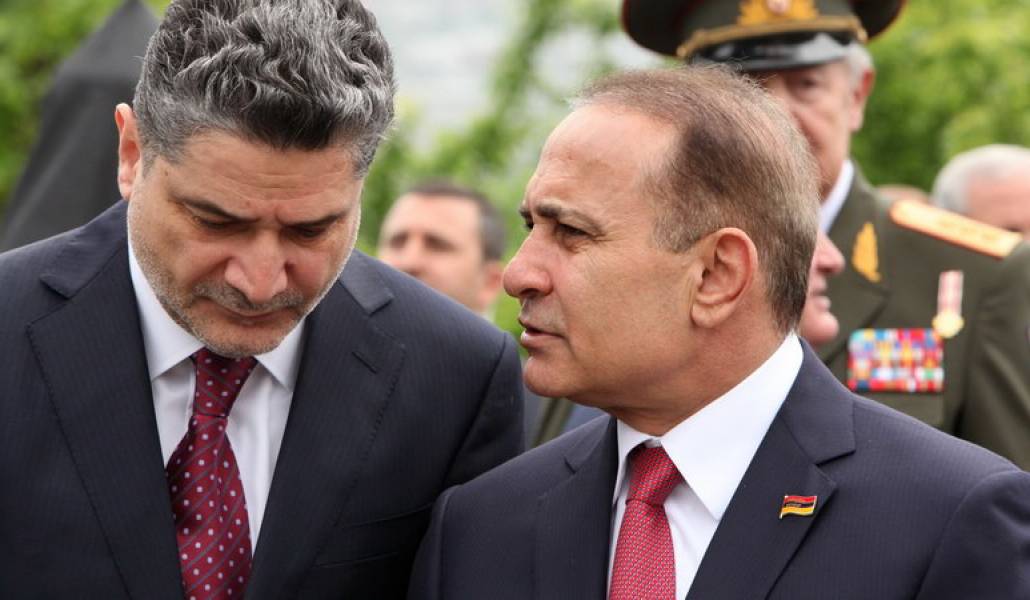
Hovik Abrahamyan was appointed Prime Minister of Armenia on April 13, 2014. It is interesting to know the economic indicators a year later. According to Armenia's Statistical Service, 2.5% economic growth was registered in the country in Jan-Feb 2015 as compared with the 0.2% reported at the same period on 2014. Mikael Melkumyan, a lawmaker from the Prosperous Armenia Party (BHK), says the economic indicators are far from being satisfactory. The MP accounts it for external and internal factors. “The economic relations between Russia and the West have been very strained and complicated since 2014. The sanctioned imposed on Armenia’s number one ally – Russia – also affected our economy,” he said. Among internal factors, the lawmaker singles out ineffective governance. “Even the privileges granted to rural communities do not produce the expected result. The authorities do not take adequate political decisions to respond to the challenges,” Mr Melkuyan added. To solve the existing problems he suggests making major changes that will ensure ‘protected’ investments, fair judicial decisions, etc. Economist Vilen Khachatryan Armenia’s economic indicators have bettered, but the current prime minister received ‘a heavy legacy’ from his predecessor. “The economic crisis in 2008 has resulted in 27-percent decline. Tigran Sargsyan’s government Armenia's foreign debt increased from 1,5 billion to 4,5 billion, which is a serious figure for a country, like Armenia,” said the economist. Mr Khachatryan compares Armenia's economy with an old-fashioned car which needs urgent repairs. “No matter who the drive is, he cannot drive the car. It is necessary to revamp everything,” he said.