Armenian church in Turkey among most endangered monuments in Europe
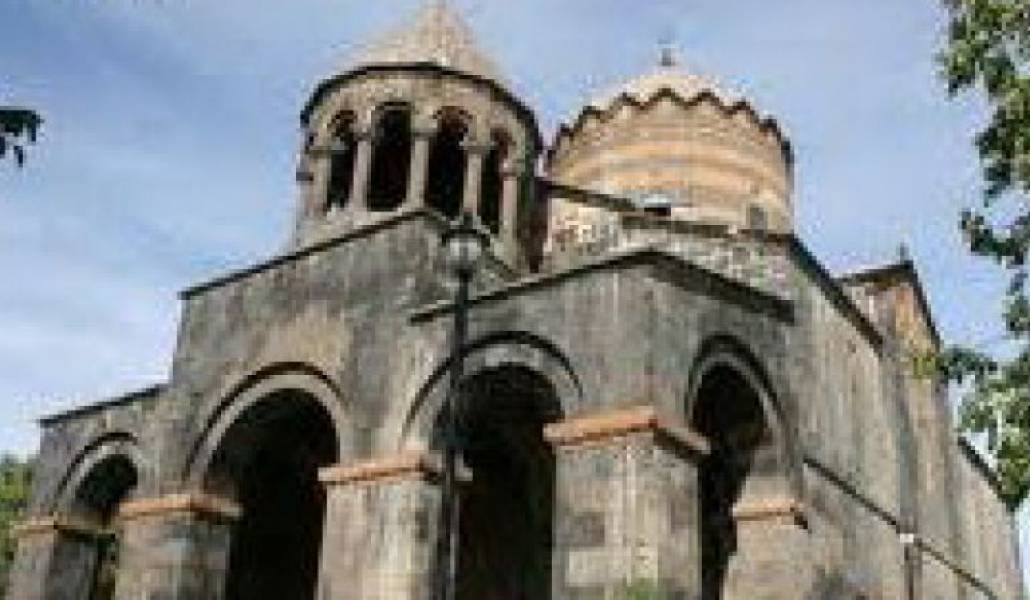
The Roman amphitheatre in Durrës in Albania, the buffer zone in the historic centre of Nicosia in Cyprus, the 17th century Vauban's fortifications in Briançon in France, the Renaissance monastery of San Benedetto Po in Italy, the 15th century monastery in Setúbal in Portugal, the historic mining landscape of Rosia Montana in Romania and the Armenian church of St. George in Mardin in Turkey have been selected as the 7 most threatened landmarks in Europe. The announcement was made today by the leading European heritage organisation Europa Nostra, together with the European Investment Bank Institute, at a press conference in Athens, on the eve of its 50th Anniversary Congress. These gems of Europe's cultural and natural heritage are in danger, some due to lack of funds or expertise, others due to inadequate planning, neglect, natural disaster or even political conflict. An urgent action is therefore required.
"These monuments and sites were selected not only because they tell a fascinating story about our shared past, anchoring a sense of belonging to a European family, but also because they are highly valuable to the local communities who are strongly engaged in saving them. Rescuing these sites would also act as a catalyst for the social and economic revitalisation of entire cities or areas. This is why Europa Nostra calls upon many public and private partners, at local, regional, national and European levels, to join their forces and ensure a promising future the selected sites," stated Plácido Domingo, President of Europa Nostra.
"For 15 centuries the Church of St. George was the spiritual home of the large Armenian community in the Turkish city of Mardin. This Grade I registered historical building was founded in 420 AD and was in use until 1915, when the Armenian population left the city. In spite of its outstanding historical and cultural importance, this monument is currently in an advance state of decay.
Europa Nostra Turkey, with the support of the owner, the Mardin Armenian Catholic Church Community Foundation, is strongly committed to rescuing this tangible witness of Turkey's multi-cultural history. The preservation of the church and its annexes would enable the future generations to understand the contribution of Armenian people to Mardin's history and identity and, at the same time, allow a wider public to appreciate their cultural expressions and artistic achievements. The local authorities, who are also aware of the economic advantages from future tourism development, are supportive of restoration projects in their town, but their endeavours need to be encouraged and supported by national and European partners," said the organisation.