Embargo to help Armenia’s economy?
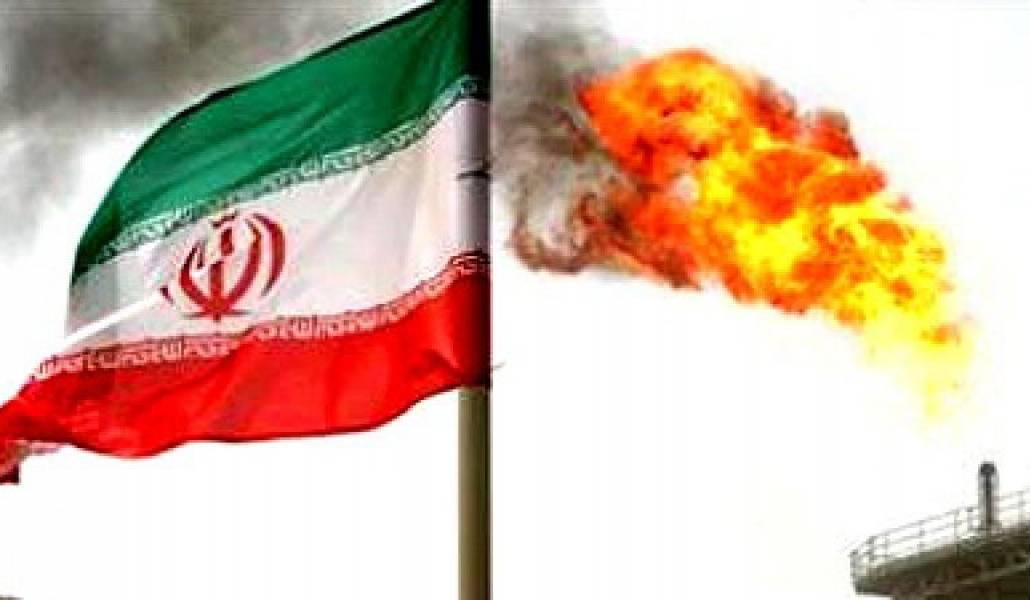
The economic sanctions against Iran will serve as additional impetus for the Armenian-Iranian energetic projects, particularly the construction of a petrol reprocessing factory in the Syunik province. This is what economist Karlen Khachatryan said during a press conference today.
"Iran will face some problems in terms of petroleum consumption during the embargo and will be compelled to implement the Armenian-Iranian economic projects at a more rapid pace, and this will obviously have a positive impact on Armenia's economy," said Khachatryan.
Starting in June-July 2012, the EU will apply economic sanctions against Iran in order to hold Tehran back from implementing the nuclear program.
Experts say the sanctions against Iran, which is considered the third country in terms of oil exports, will inevitably lead to sharp oil price inflation in the market.
According to Karlen Mkrtchyan, the prices will rise by nearly 30-35 percent, moving from 130 to 150 dollars a barrel.
Will Europe, which is highly dependent on Iran's oil, manage to diversify its energetic resources in the next six months? Iranologist Mher Baghdasaryan recalled that a couple of years ago, the official Tehran had declared that it could survive for at least seven years thanks to its domestic resources amid an economic blockade.
"On the other hand, the Iranians doubt that the EU can "get along" for seven years without Iran's oil," noted Baghdasaryan.
Iran, which is on the verge of sanctions, is currently trying to counter-influence Europe's policy by strengthening federal ties with Russia, China, as well as certain Latin American countries. Iran has also threatened to close the navigation over the Hormuz Gulf, which provides 40 percent of oil transfers around the world.
Mher Baghdasaryan says the closure of the Hormuz Gulf will sharply increase the likelihood of a war in the region. "That is not in anyone's favor," said the expert in closing.